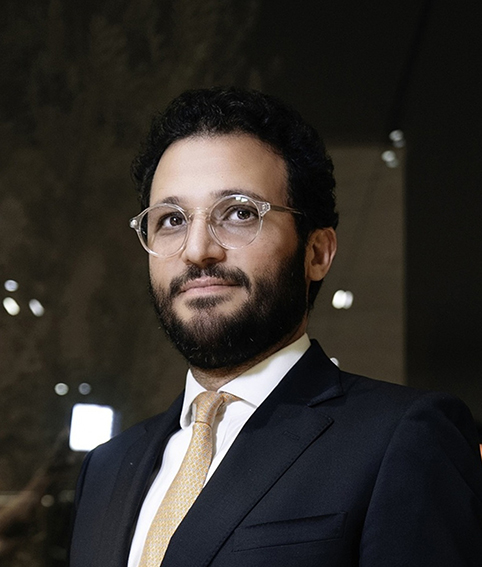
By Talal M. Al Gaddah, CEO and Founder of the Keturah luxury brand
As temperatures and humidity rise across the Gulf and urban development accelerates, the region’s luxury real estate sector is undergoing a significant transformation. Increasingly, developers are placing health-led design and construction practices at the center of residential development, responding to the unique environmental challenges of the Gulf climate.
This shift is more than a passing trend. It reflects a growing demand from discerning homeowners and investors who expect their living environments to enhance wellbeing rather than compromise it. In a region where indoor living dominates for much of the year, the quality of the indoor environment has become a critical component of modern luxury living.
Historically, many construction materials used across the region have been imported from temperate climates without fully considering the Gulf’s heat, humidity, and reliance on air-conditioning systems. As a result, buildings can experience issues such as moisture accumulation, mold growth, and elevated levels of volatile organic compounds (VOCs), all of which can negatively impact indoor air quality and long-term health.
Government strategies across the region increasingly recognize these challenges. Initiatives such as Saudi Arabia’s Vision 2030 and the UAE’s Dubai 2040 Urban Master Plan emphasize sustainable urban development and healthier built environments. However, luxury real estate in the past often prioritized aesthetic appeal and architectural scale over environmental health considerations.
Today, the narrative is changing. Health-conscious design is emerging as a key differentiator in high-end real estate, attracting investors and families who view their homes as spaces for longevity, comfort, and vitality.
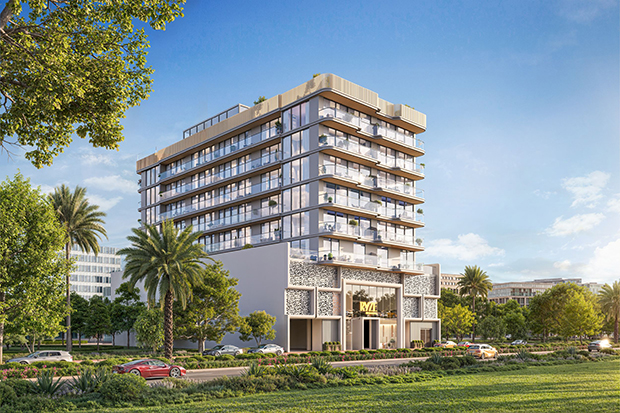
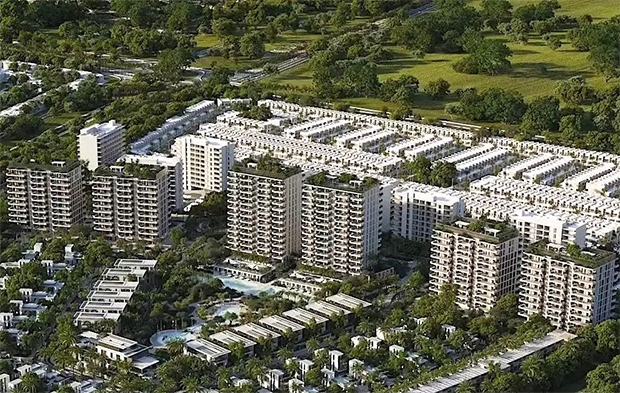
A clear example of this approach can be seen at Keturah Reserve, the AED 5.7 billion bio-living community in Dubai. The project includes a significant investment in advanced construction technologies, including antimicrobial tiling, breathable wall systems, and zero-VOC finishes designed to improve indoor environmental quality.
These innovations represent more than a design enhancement—they redefine the expectations of premium residential construction. Every material used within a home has the potential to contribute to a healthier living environment, particularly in climates where humidity and air-conditioning create ideal conditions for bacteria and mold growth.
Antimicrobial surfaces, for example, are engineered to reduce the spread of bacteria, viruses, mold, and mildew. In environments where condensation and humidity can be persistent, such technologies help reduce health risks such as respiratory issues, allergic reactions, and infections.
Similarly, breathable wall systems play an important role in controlling indoor humidity levels. By allowing walls to release trapped moisture while maintaining structural stability, these systems help prevent conditions that can lead to mold growth and poor indoor air quality.
Another critical innovation is the use of zero-VOC finishes. Conventional paints and coatings release chemicals such as formaldehyde, which can cause headaches, eye irritation, and long-term health complications in enclosed spaces. Eliminating these emissions supports cleaner indoor air and aligns with the region’s growing focus on wellness-oriented living.
Recent scientific studies reinforce the importance of these approaches. Research examining building materials under Dubai’s humid summer conditions has shown that formaldehyde emissions from conventional materials can increase significantly under heat stress. Additional studies have demonstrated that low-emission building materials can reduce VOC levels substantially while improving humidity control.
As buyer awareness grows, particularly in a post-pandemic world where health and environmental quality have become priorities, the real estate market is evolving rapidly. Investors are no longer evaluating properties based solely on location, size, or design—they are increasingly examining indoor air quality, material certifications, and environmental performance.
Ultimately, the next generation of luxury real estate in the Gulf will be defined by developments that harmonize with the region’s climate while prioritizing human health. By integrating science, sustainability, and thoughtful design, developers have the opportunity to create homes that support both wellbeing and resilience.
Luxury living in the Gulf is entering a new era—one where health-conscious design becomes the foundation of truly future-ready communities.